Ayesha Abed Foundation Jessore: Empowering Artisans Through Skills and Opportunity
Ayesha Abed Foundation Jessore is associated with BRAC and Aarong’s artisan-production network. It supports the wider mission of connecting rural craftsmanship with structured training, livelihood opportunities and access to markets. This guide explains the Foundation’s role, its recorded Jashore address and what visitors should verify before travelling.
What Is the Ayesha Abed Foundation?
The Ayesha Abed Foundation was established in memory of Ayesha Abed, whose work was closely connected with BRAC’s early development initiatives and the growth of Aarong. The Foundation developed opportunities through which rural women could learn production skills, participate in income-generating work and connect their craftsmanship with a larger market.
BRAC identifies Jashore as one of the locations where the Foundation established its activities. The Jashore centre should therefore be understood as part of an artisan and production network—not as a general charity counter or a regular retail shop.
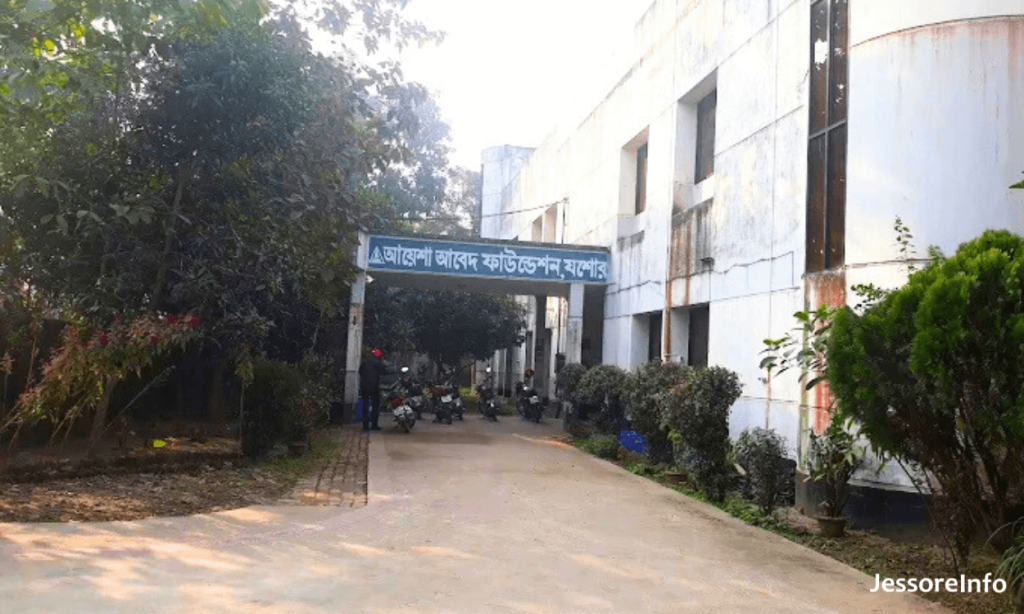
Ayesha Abed Foundation Jessore Address
The Government of Bangladesh’s Department of Inspection for Factories and Establishments public record lists the following location for Aysha Abed Foundation in Jashore:
| Recorded address | Kholadanga, Vekutia, Jashore |
|---|---|
| Upazila | Jashore Sadar |
| District | Jashore |
| Division | Khulna |
| Type shown in record | Class D factory establishment |
| Public local phone | No current local telephone number could be verified from an authoritative public source. |
How the Foundation Supports Artisans
The Foundation is an important part of Aarong’s supply chain. Its model brings production opportunities closer to artisans, including women who may need to work near their homes and communities. Finished work from local production and sub-centres can then move through the wider network for quality control, specialised finishing and market connection.
Skills and training
Interested artisans may receive practical training connected with specific craft and production processes. Training or recruitment availability can vary and should be confirmed through official channels.
Market connection
The wider Aarong model connects handcrafted products made in rural and semi-urban communities with customers through an established retail network.
Work near communities
Many artisans in the national network work through sub-centres located closer to their homes, reducing the need to relocate for craft-based production work.
Wider support
BRAC describes access to services such as healthcare, legal awareness, savings, microfinance and retirement benefits within the wider AAF artisan-support system.
Craft and Production Activities
Aarong’s official information describes a wide range of specialised skills across the national Foundation network. The particular activities handled at a centre may change according to production requirements, so every activity below should not automatically be attributed to the Jashore site.
- Hand embroidery and traditional needlework
- Nakshi Kantha and detailed hand stitching
- Block printing and screen printing
- Natural dyeing and fabric preparation
- Textile finishing and quality-related production work
- Training and transfer of craft skills between generations
The Foundation’s contribution extends beyond producing merchandise. Its model helps preserve traditional knowledge while creating a structured route through which artisan skills can support household livelihoods.
What to Know Before Visiting
Is It an Aarong Store?
No authoritative source reviewed for this guide identifies the Jashore establishment as an Aarong retail outlet. Ayesha Abed Foundation works within the production and artisan side of Aarong’s ecosystem. Customers looking to purchase products, exchange an item or receive retail customer service should use the official Aarong store finder.
Frequently Asked Questions
Where is Ayesha Abed Foundation in Jessore?
The government DIFE public record lists its address as Kholadanga, Vekutia, Jashore Sadar, Jashore. Verify the centre’s current status and access arrangements before travelling.
What does Ayesha Abed Foundation do?
It is part of the artisan-production network at the heart of Aarong’s supply chain. The wider Foundation supports craft skills, production opportunities, market access and several social benefits for participating artisans.
Can I buy Aarong products from this location?
The Jashore establishment is not verified as an Aarong retail outlet. Use an officially listed Aarong store or the official Aarong website for purchases and retail services.
Does the Jashore centre currently recruit artisans?
No current local recruitment notice was verified while preparing this guide. Employment and training opportunities can change, so applicants should check BRAC’s official careers portal or contact BRAC directly.
What is the Ayesha Abed Foundation Jessore phone number?
A reliable current local telephone number was not found in the authoritative public sources reviewed. BRAC’s national office can be contacted at 88 02 2222 81265 for guidance.
Is the Foundation only for women?
The Foundation’s history and mission place a strong emphasis on creating opportunities for rural women. BRAC reports that women make up the large majority of artisans across the national AAF network. Eligibility for any specific programme should be confirmed through official channels.
Explore More About Jashore
Learn more about the surrounding area in our Jhikargacha Upazila guide, or explore the district’s culture, industries and local identity in What Is Jessore Famous For?
Information reviewed: October 2026. Addresses, licence records, programmes and contact details can change. Confirm important information with BRAC before visiting or applying.