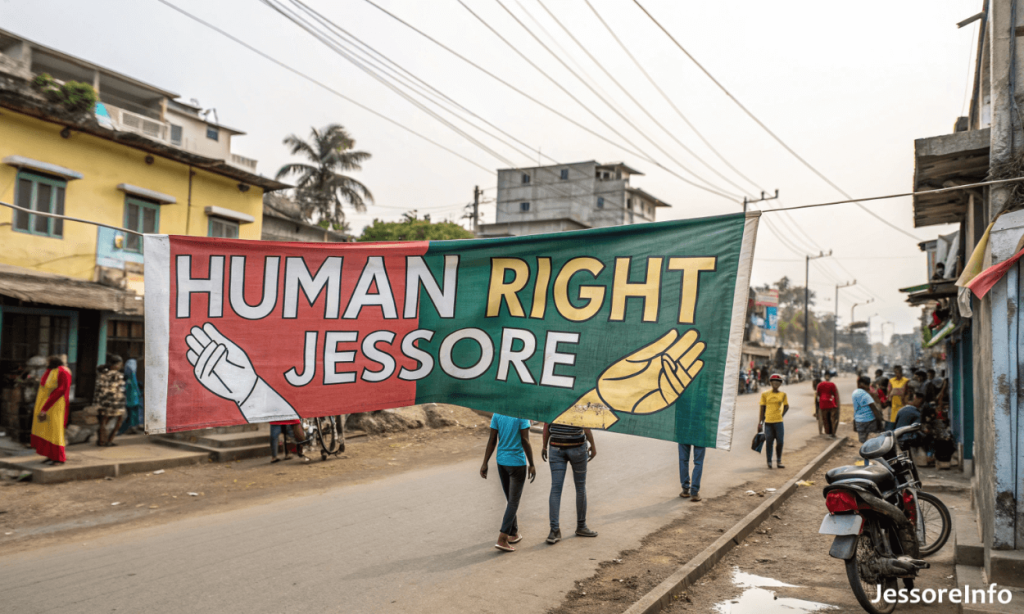
Human Rights Jessore, which means Rights Jessore in a basic spirit (a very much reputed and important organization in Jashore). For the last quarter of a century, this group has been making an impact on thousands of lives throughout our city, especially women and children as well as victims of human trafficking.
Table of Contents
ToggleWhat Is Right for Jessore?
Established as a human rights organization working in the southwestern part of Bangladesh, Jashore (Jessore) District Legal Aid Services (JDLAS) is a non-profit, non-governmental organization. Their primary aim is to uphold and advance human rights, particularly for women, children and victims of trafficking. They are registered through the NGO Affairs Bureau and Social Service Department, respectively.
Also Read: Jessore Judge Court
What Do They Do?
1. Save the Victims of Traffic and Support
Working to prevent trafficking as well as deliver aid to former victims, Rights Jessore They support victims to return home safely and resettle into their communities… with dignity.
2. Raise Awareness & Build Skills
Our team is raising awareness in communities & among officials. They create city-wise collectives —of women, youth, professionals — to work together to end trafficking and exploitation.
3. Support, Prosecute, and Partner
- They shelter victims, they counsel.
- The organisation assists local police by conducting training and networking in order to improve prosecution rates of traffickers.
- They collaborate with government, non-government organizations and international society to increase the effects.
Transparency & Local Accountability
Rights Jessore launched a project in 2021 on accountability of local leaders in Jessore district. They brought in mandatory financial disclosure for elected representatives and hence reduced corruption while also raising public confidence.
Community Events & Education
The program conducts seminars, cultural events and talks with teachers, journalists and local leaders to transfer knowledge and create stronger communities.
Where They Work
Jessore is the main working area for Rights and Jessore is pronounced by many other districts of southwest Bangladesh including Khulna, Satkhira, Jhenaidah, Narail, Magura, Kushtia, Chuadanga, Meherpur and Bagerhat.
They have additionally begun working on the ground in international settings, particularly, e.g., the Middle East (UAE, Saudi Arabia) and across border regions to combat trafficking.
Why Rights in Jessore Matter
1. Support where it’s needed most
- It is a helpline and it stands for Rights Jessore. These are the people who save lives, recover them, and carry them forward.
2. Raise awareness and change minds
- By educating and working with local partners, they make communities safer.
3. Working with leaders and laws
- They contribute to fairness and trust in the system by interacting with local government and law enforcement.
4. Promote fairness and transparency
- Their financial disclosures project combines national budgets, local governance, and the battle against corruption.
5. Be creative for impact
- CMI partner Rights Jessore uses familiar cultural tools like local ‘pot songs’ to connect and learn.
Rights Jessore is a humane rights organizer in Bangladesh in every right sense by all means. They shield the weak, fight human trafficking, serve victims and prevent activity while educating citizens and leaders to be change agents.
Also Read: Jessore Kotwali Thana
This work demonstrates how incremental actions such as the formation of community groups, training, and financial transparency can foster more robust societies. So when we add in the words “Human Rights Jessore” it talks about how important this NGO is to build a fair world, respectful citizens of this fair world.
1. What is Human Rights Jessore?
Ans: A human rights NGO in Jashore.
2. When was Human Rights Jessore established?
Ans: About 25 years ago.
3. Who do they mainly help?
Ans: Women, children, trafficking victims.
4. Where do they work?
Ans: Southwest Bangladesh and abroad.
5. Is the organization registered?
Ans: Yes, we are officially registered.
6. How do they fight human trafficking?
Ans: Rescue, shelter, legal aid.
7. Do they work with the police?
Yes, they train and assist.
8. How do they raise awareness?
Ans: Events, groups, education.
9. What was their 2021 accountability project?
Ans: Leader financial disclosures.
10. Do they partner with other organizations?
Ans: Yes, locally and globally.