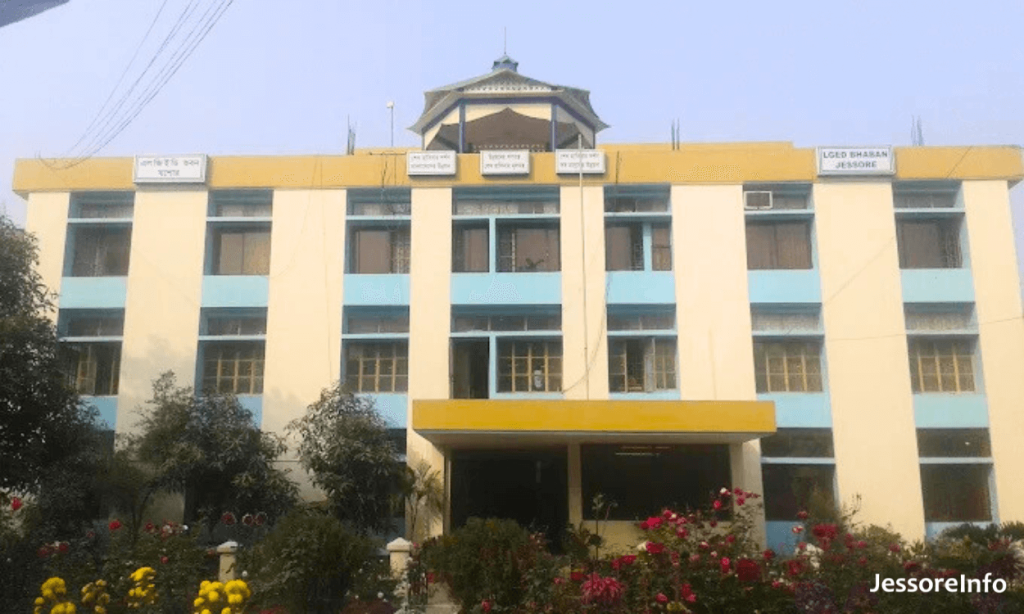
In the fast developing yet agriculturally successful area of Jessore (Jashore), LGED Jessore-centralizes on influencing the infrastructure and the quality of lives of thousands. From roads to bridges, water projects to improvements at local markets, LGED isn’t just building — it’s changing rural and semi-urban landscapes into a more-connected, more-open space.
Table of Contents
ToggleWhat is LGED Jessore?
LGED” (Local Government Engineering Department) is the name of one of the largest public institutions in Bangladesh that plans and implements infrastructure projects at local level. In Jessore, these works are monitored by the Executive Engineer’s Office at the district headquarters and in all upazilas (sub-districts).
LGED’s mission in Jessore includes:
- Constructing & maintaining roads, bridges & culverts for connectivity.
- Construct small-scale water-resource infrastructure (drainage, irrigation, and erosion control) to benefit agriculture and reduce the risk of flooding.
- Supporting Local Bodies and Community Participation: Planning from the Bottom Up
- Encouraging the use of labour-intensive technology and working with local materials in order to complete projects efficiently at a realistic cost.
Also Read: Jessore Election Office
Major Projects & Achievements
LGED Jessore has been involved with several major projects in recent years. Some highlights:
- Over the last 10 years, LGED Jessore has implemented rural road construction/ maintenance works of nearly 4,000 km of roads and constructed/ maintained bridges/ culverts with a total length of over 2,250 meters. All this rapid growth has been good for the rural landscape in many places, making it more accessible all year round.
- In the past 10 years, some Tk 2,000 crore worth of infrastructure development projects have been introduced in Jessore’s rural areas.
- One on social infrastructure too: Works of houses of Freedom Fighters, buildings, places of worship (mosques, temples, Eidgahs, graveyards) in different parts of the district.
- Agricultural support & local economic uplift: market centers, farmer service centers and social afforestation programs are also part of the work carried out by LGED.
One instance: the Bridge over Bhairab River in Abhaynagar Upazila of Jessore was awarded under an upazila & union parishad roads-bridge construction project. Bridge projects like this and the lot will help a LOT with connectivity, travel time, etc..
Challenges LGED Jessore Faces
And while the accomplishments are decent, there are some pitfalls that cannot be overlooked:
- Maintenance vs. new builds: Building it is one thing; keeping the infrastructure up to date is another. Rain, flooding, erosion and heavy vehicle traffic wear down our roads & bridges. LGED budgets and logistics to preserve what they build are always under pressure. (This is a general comment across many of the LGED reports).
- Community participation & planning: If local people help plan the response or management of displacement, it will be more relevant and sustainable; but coordination can be a challenge. Upazila/union level has varying capacities. In some cases delays can happen as a result of bureaucratic or logistical problems.
- Budget & cost overruns: Mega as well as small projects can fail due to delays, underestimation or cost creep. Though LGED Jessore has many high-tariff projects in place, ensuring efficient spending of money is definitely a concern.
- Environmental issues: River erosion, flooding and climate change strain local infrastructure. LGED has to plan with built-in-resilience.
Also Read: Population of Jessore District
Why You Should Spend Your Time at LGED Jessore
If you are in Jessore or its satellite area, LGED’s work affects aspects of your daily life in a multitude of ways:
- Better road connectivity leads to easier access to markets, schools, and hospitals. Reduced driving hours, reduced maintenance on the vehicle.
- Better bridges and culverts mean greater connectivity even during the monsoon.
- Improved water infrastructure is also about agriculture — reducing losses from floods or droughts, increasing productivity.
- Community health is increased by public spaces and religious/social infrastructure.
- Job creation, particularly on these very labor-intensive technology projects, which oftentimes will reach out to the bottom quintiles.
What to Expect Going Forward
Moving forward, a couple of trends and prospects for LGED Jessore:
- More attention to sustainability and climate-resilient design: Gravel everything, raise the roads, improve drainage, control erosion.
- Increased digitisation and transparency (e-tendering, online project tracking) to cut down on corruption and expedite the delivery of projects.
- Perhaps additional public-private partnerships, particularly for larger bridges or markets.
- Emphasize “inclusive infrastructure”—make sure women, those in marginalized areas reap full benefits.
Also Read: RHD Jessore
In short, LGED Jessore is not only roads. It’s a place of learning and bonding, of connectivity, growth and opportunity for the rural and semi-urban inhabitants of Jessore. The challenges are immense, but the progress of the past decade reflects both ambition and impact.