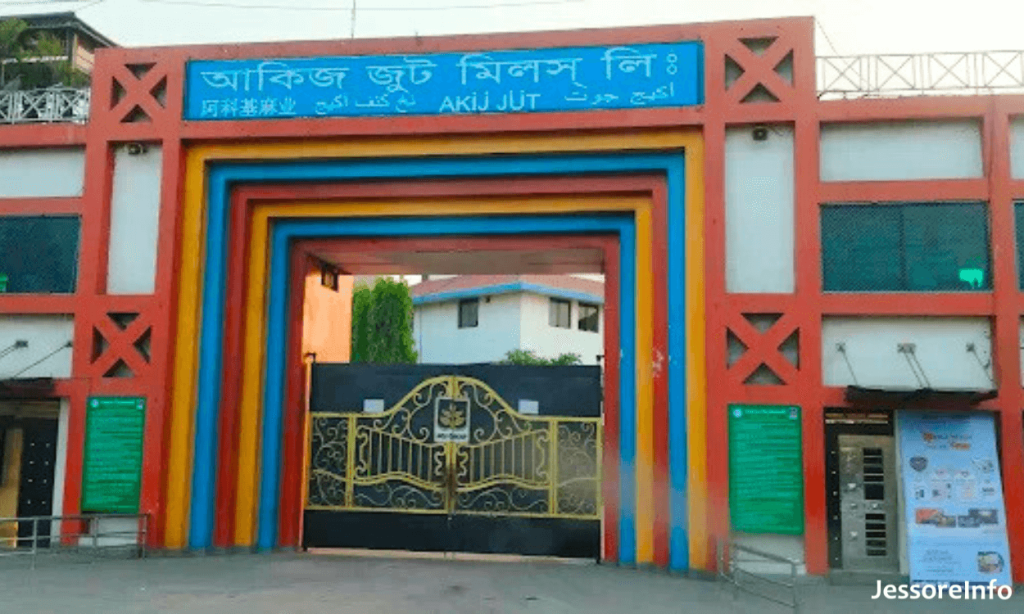
One of the big jute mills is Akij Jute Mills Ltd Jessore, situated in Noapara, a short winding drive over a metal expressway snaking through the green fields—just a short distance from the Mongla Sea Port. This ideal location makes import and export easy, with smooth access to raw materials for the factory. Belonging to the billion-dollar conglomerate Akij Group, it has that big-business feel but still remains a local treat in Jessore.
Table of Contents
ToggleWhy It Matters: Manufacturing and Capacity
This mill isn’t low-key — it’s pretty well-stacked. It churns out some 60,000 metric tons of jute yarn a year and pumps out 5 million bags—A-Twill bags, B-Twill bags, sugar bags, rice bags, and even veggie-oil treated sacks.
Roots & Awards: Playing the Long Game
Akij Group first began back in the 1940s and has since expanded into a multi-industry behemoth — their products run the gamut from beverages and textiles to cement and, yes, jute. Akij Jute Mills’ hot shit Not exactly a new jute on the block—they’ve certainly been flexing their export scene, getting “Best Jute Yarn Exporter” accolades more than once, even, on National Jute Day since at least 2017.
Also Read: Akij Motors Jessore
Local Impact: Jobs & Economy
First up, they began with only 300 workers, and today, 10,000 people are included on the mill’s employee list—huge for Jessore’s job market. Then there’s the mill’s locale close to Mongla Port, allowing exports that flow like nobody’s business — economic lifeline FTW.
Tough Times: Worker Cuts
But it’s not all sunshine and chill. In November 2022, they wielded the ax on 6,300 temporary workers. Why not? Exports declined, a rise in prices of jute led to increased cost of exports, and global volatility made shipments expensive and difficult, including the war mess between Russia and Ukraine. So they switched to having two shifts with permanent workers only — rough, but you need numbers, I’m afraid.
Next Big Step: Growth and Vision
Here’s where things get next-level. Akij isn’t playing small. In Muksudpur, Gopalganj, they’re constructing what will be the largest jute composite plant in the world and are expected to commence commercial production in December. This monster will pump out 600 tonnes per day — and is even trialling printing on jute fabric.
Also Read: Akij Collegiate School Navaron Jessore
Akij Jute Mills Ltd, Noapara, Jessore is a well known private jute mill in Bangladesh. Its strong production capacity, strategic port access, and record of export excellence make it a local economic powerhouse. Although the 2022 layoff is a big blow, the company’s ambitious projects, such as wanting to open the largest jute mill in the world, indicate that they’re not ready to call it quits and that they’re interested in playing a crucial role in the future of jute.
Frequently Asked Questions
Q1: Where is Akij Jute Mills Ltd located?
A: Noapara, Jessore, near Mongla Sea Port.
Q2: Who owns Akij Jute Mills?
A: Akij Group.
Q3: How much jute yarn does the mill produce yearly?
A: 60,000 metric tons.
Q4: What types of jute bags are made here?
A: A-Twill, B-Twill, sugar, rice, and oil-treated sacks.
Q5: When did Akij Group start its journey?
A: 1940s.
Q6: How many people work at Akij Jute Mills now?
A: About 10,000.
Q7: Why did the mill cut 6,300 workers in 2022?
A: Export fall, high raw jute cost, shipping issues.
Q8: What awards has Akij Jute Mills won?
A: Best Jute Yarn Exporter (multiple times).
Q9: What is Akij Group’s next big project?
A: World’s largest jute composite plant in Gopalganj.
Q10: What will the new plant produce daily?
A: 600 tonnes of jute products.